Empowering Providers: Remote Support for Patient Care
- Shane Nibley
- 4 hours ago
- 4 min read

In today's healthcare landscape, the demand for efficient and effective patient care has never been higher. As providers strive to meet these demands, remote support systems are emerging as a vital tool. These systems not only enhance the quality of care but also empower healthcare professionals to deliver services more effectively. This blog post explores how remote support can transform patient care, the benefits it offers to providers, and practical examples of its implementation.
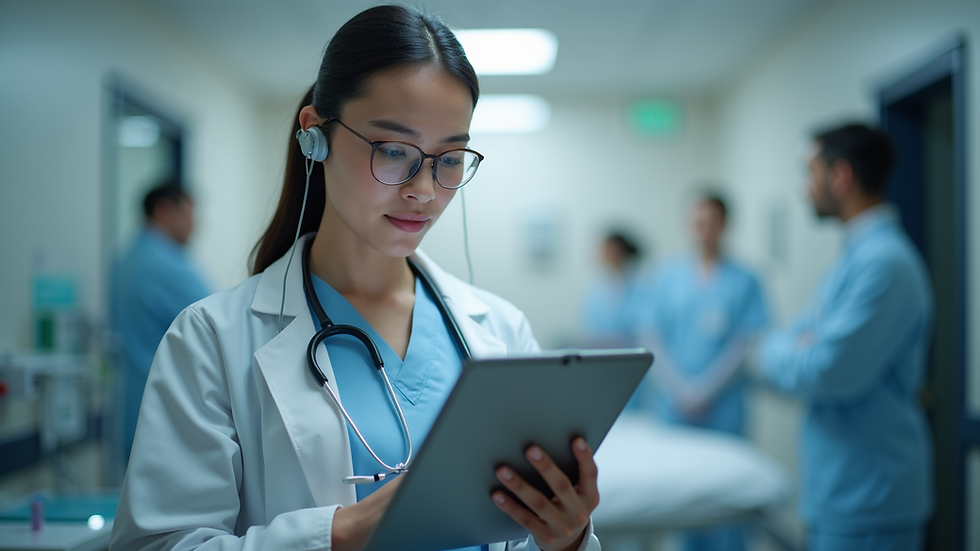
Understanding Remote Support in Healthcare
Remote support in healthcare refers to the use of technology to provide care and assistance to patients from a distance. This can include telemedicine consultations, remote monitoring of health conditions, and digital communication between providers and patients. The rise of telehealth has made it possible for healthcare professionals to connect with patients without the need for in-person visits, which can be particularly beneficial in rural areas or during times of crisis, such as the COVID-19 pandemic.
The Importance of Remote Support
The importance of remote support cannot be overstated. It allows for:
Increased Access to Care: Patients in remote or underserved areas can receive care without traveling long distances.
Improved Patient Engagement: Patients can communicate with their providers more easily, leading to better adherence to treatment plans.
Cost Efficiency: Reducing the need for in-person visits can lower healthcare costs for both providers and patients.
Benefits of Remote Support for Providers
Enhanced Workflow Efficiency
Remote support systems streamline workflows, allowing providers to manage their time more effectively. By utilizing telehealth platforms, healthcare professionals can conduct multiple consultations in a shorter time frame compared to traditional in-person visits. This efficiency not only saves time but also allows providers to see more patients, ultimately improving care delivery.
Better Patient Monitoring
With remote monitoring tools, providers can keep track of patients' health metrics in real-time. For instance, wearable devices can transmit data such as heart rate, blood pressure, and glucose levels directly to healthcare professionals. This continuous monitoring enables providers to make timely interventions when necessary, improving patient outcomes.
Increased Collaboration Among Providers
Remote support fosters collaboration among healthcare teams. Providers can easily share patient information and consult with specialists without the barriers of geographical distance. This collaborative approach enhances the quality of care, as multiple experts can contribute to a patient's treatment plan.
Practical Examples of Remote Support Implementation
Telemedicine in Action
One of the most prominent examples of remote support is telemedicine. For instance, a patient experiencing symptoms of a respiratory infection can schedule a virtual consultation with their primary care physician. During the appointment, the physician can assess the patient's condition, provide a diagnosis, and prescribe treatment—all without the patient needing to leave their home.
Remote Patient Monitoring
Another effective application of remote support is in chronic disease management. Patients with conditions such as diabetes can use devices that monitor their blood sugar levels and send the data to their healthcare providers. This allows for proactive management of their condition, reducing the risk of complications.
Mental Health Support
Remote support has also made significant strides in mental health care. Platforms that offer virtual therapy sessions have become increasingly popular, allowing patients to receive counseling from the comfort of their homes. This accessibility can reduce stigma and encourage more individuals to seek help.
Challenges and Considerations
While remote support offers numerous benefits, it is not without challenges. Providers must consider:
Technology Barriers: Not all patients have access to the necessary technology or internet connectivity, which can limit the effectiveness of remote support.
Regulatory Issues: Different states and countries have varying regulations regarding telehealth, which can complicate service delivery.
Patient Privacy: Ensuring the security of patient data is paramount. Providers must implement robust cybersecurity measures to protect sensitive information.
Future of Remote Support in Healthcare
The future of remote support in healthcare looks promising. As technology continues to advance, we can expect to see even more innovative solutions that enhance patient care. Artificial intelligence, for example, has the potential to analyze patient data and provide insights that can inform treatment decisions.
Expanding Access to Care
As remote support becomes more integrated into healthcare systems, it will likely expand access to care for even more patients. This is particularly important for marginalized communities that have historically faced barriers to healthcare access.
Continuous Improvement of Technology
Healthcare providers will need to stay updated on the latest technological advancements to ensure they are using the most effective tools available. Continuous training and education will be essential for providers to maximize the benefits of remote support.
Conclusion
Remote support is revolutionizing patient care by empowering healthcare providers to deliver services more efficiently and effectively. By embracing technology, providers can enhance patient engagement, improve monitoring, and foster collaboration among healthcare teams. As we move forward, it is crucial for providers to navigate the challenges associated with remote support while leveraging its benefits to improve patient outcomes. The future of healthcare is here, and it is remote.
By adopting remote support systems, healthcare professionals can not only meet the demands of today’s patients but also prepare for the evolving landscape of healthcare in the years to come.


Comments